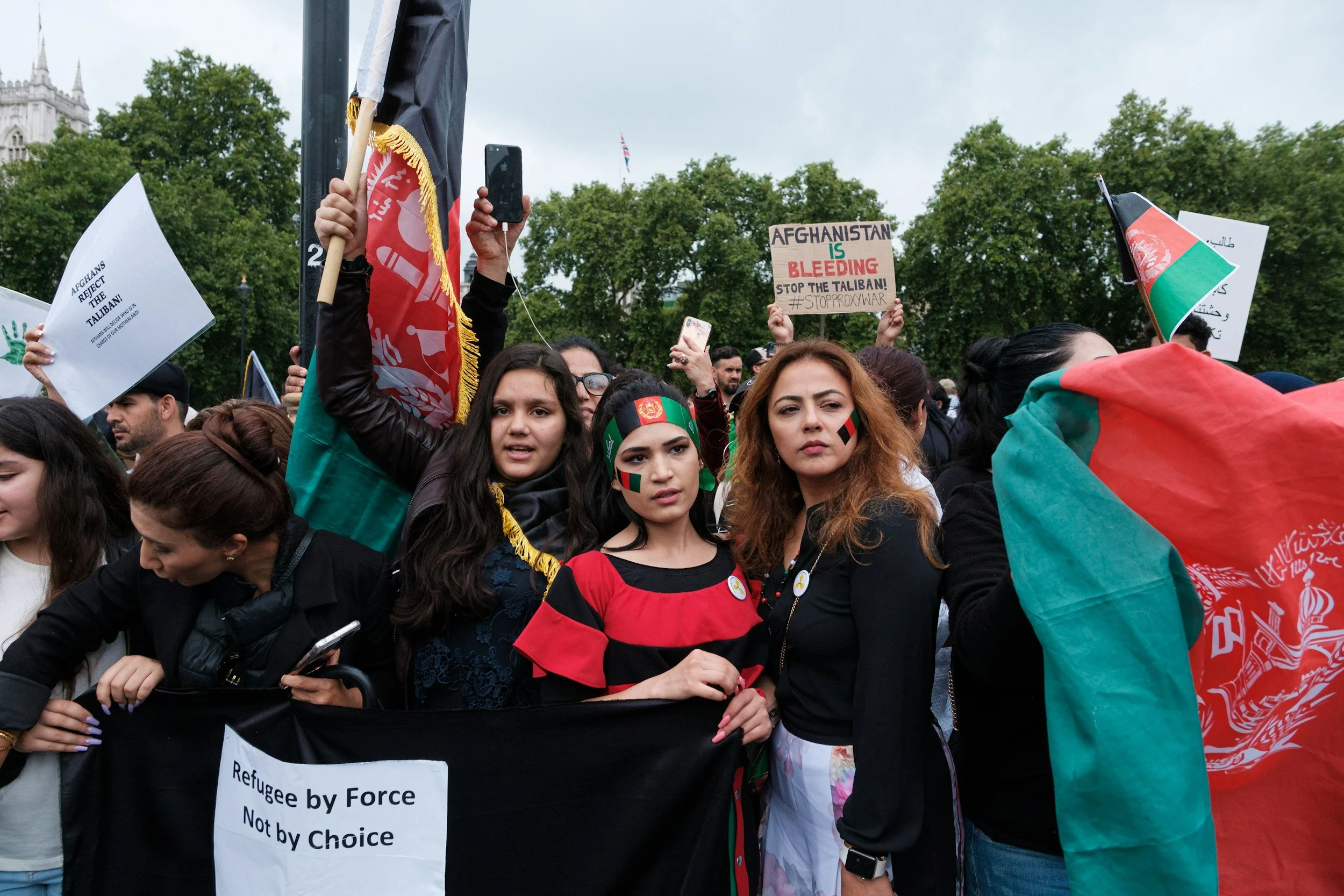
CORRUPTION IN AFGHANISTAN
Americans were dismayed when the starving soldiers in the middle of a drought in Afghanistan did not show their ‘moral fiber’ and fight for their country. Yet most generals know that they need to feed their troops, and if they are American troops, offer them a commissary, entertainment, health care, and a living wage. Soldiers throughout the world are seldom paid very well, but the salaries have to be paid at very least.
Two American Presidents knee-capped the Afghan Government by holding discussions with the Taliban in Qatar without the presence of the Afghan Government we recognized officially.
Actually, there is a history of Americans supporting the Taliban before 9/11 when the Afghan Communist government fell. At that time agents of whichever agency traveled through the country with suitcases of cash to give to various religious leaders. And then, just as now, mullah after mullah, cleric after cleric, decided to support the Taliban in order to save Afghanistan from the terrible chaos that had engulfed Afghanistan after the fall of the Communist government.
When a government lacks legitimacy, it is likely to fall. The two highest political figures in Afghanistan traveled on June 25th to meet with President Biden face-to-face. They returned to Afghanistan empty-handed, probably also paternalistically admonished. The humiliation they must have felt had to permeate through the ranks of all members of the Afghan Government. And so, things rapidly unraveled. Anyone who could lay their hands on cash took it and ran, like from a sinking ship. Soldiers, on the other hand, continued to go unpaid and could only get cash to survive the impending disaster by selling weapons. Others lay down their weapons to fight another day, for another cause. Perhaps a more worthy and less corrupt cause!
I am lucky because I have seen Afghanistan at various times: first in 1969 when I lived in my father-in-law’s huge mud fortress, or Qala. Then later in 1972, we lived in a more modern house with only about ten people. I taught English to government officials who were slated to study in the States. I learned conversational Persian (Dari), drove a car, and shopped on my own without wearing a scarf.
In 2009 I began to come back again, staying with my relatives. Unfortunately, my beloved father-in-law had passed in the meanwhile. During the next 6 years I took numerous trips by taxi to Jalalabad where I tried to reclaim my property. I wore a huge scarf and was accompanied by my brother-in-law. This time we visited multiple government offices and NGOs in both Kabul and Jalalabad, and I pled my case at the Supreme Court by myself in Dari.
I met people from different walks of life. On the taxi trips to Jalalabad or Kabul we always offered the fourth seat to travelers. At the courts I was such a frequent visitor that many women told me their plights. Like other Afghans, I experienced the daily frustration of trying to get justice. There was also danger and once in Jalalabad I walked into the women’s entrance which was pock-marked by bullets from the day before. Taliban, dressed as women, had tried to blow up that courthouse complex. I finally left when the land mafia in Jalalabad hatched a plot to kidnap me.
Corruption was quite widely prevalent. In 2013 President Karzai was even caught accepting suitcases of cash from the CIA. He first denied it to the press, but then said it was not really for him: that he had to distribute it to others. No longer were Afghans truly embarrassed about this corruption. It has become a way of life: cash in while someone is willing to pay. After all, unlike American politicians who profit when they leave office and become lobbyists or corporation presidents, the Afghans become worthless once they lose power.
My own father-in-law had been born into a middle-class family and rose to become a top-ranking officer, working at the armament procurement unit. He died fairly poor, but much respected; it was widely known that he never accepted any bribery or kick-back.
Corruption has tainted the whole Afghan society, and there is disagreement over whether the blame lies with the Americans (or other foreigners), or whether it lies with the Afghans who should have resisted becoming corrupted Yet the old adage known to Peace Corps volunteers still remains true: “You can rent an Afghan, but you can’t buy him.”